Deck Building: What to Expect From Professional Deck Builder Services
When evaluating the offerings of a skilled deck contractor, customers can expect a structured process to reimagining their exterior living areas. From the initial consultation to the final touches, every stage is intended to ensure quality and compliance with local standards. Being aware of what lies ahead can streamline the process and boost client confidence. Nevertheless, many are often unsure about their role and responsibilities throughout this undertaking. What key information should they have before beginning this endeavor?
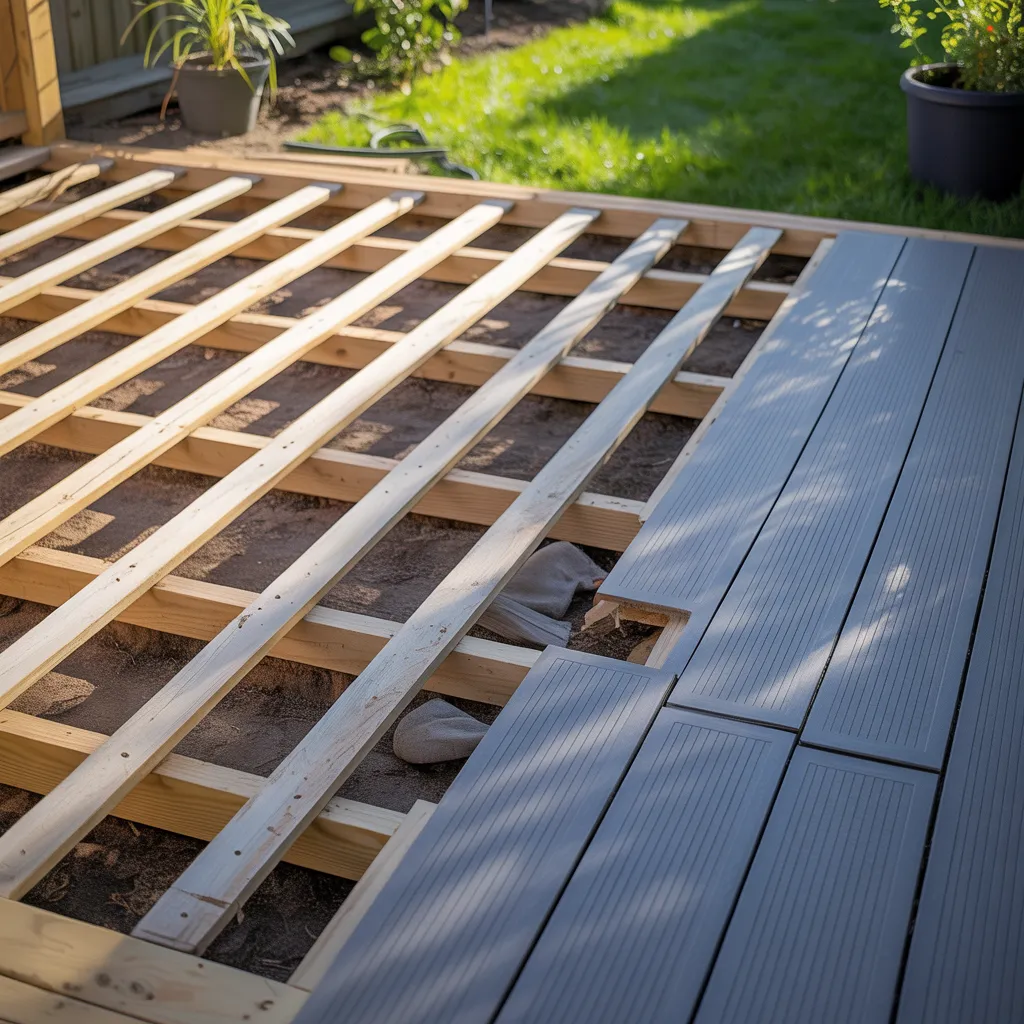
What a Professional Deck Builder Does
A proficient deck building specialist plays an essential role in transforming exterior living areas. Their knowledge spans construction, design, and material selection, making certain that each undertaking aligns with the client's expectations and regional requirements. By evaluating the specific qualities of a home, they are able to suggest fitting design options that elevate the overall look and usability.
These professionals are adept at managing the entire building process, working closely with suppliers, and meeting project deadlines. They demonstrate a thorough understanding of a wide range of materials, including wood and composite options, equipping them to counsel clients on long-term durability and upkeep.
Moreover, a professional deck builder secures structural integrity, applying safety standards that comply with established building codes. Their expertise minimizes frequent mistakes, ensuring a streamlined building process and a satisfactory end result. Ultimately, a qualified deck builder not only develops practical outdoor living areas but also contributes remarkable worth to a residence through meticulous design and superior craftsmanship.
What to Anticipate in Your Initial Consultation
During the initial consultation, clients will experience a comprehensive review of their project objectives, giving the builder insight into their expectations. Additionally, preferences regarding design elements will be explored to confirm harmony between the client's vision and the builder's skills. This essential meeting lays the groundwork for a smooth deck-building experience.
Discussion of Project Goals
When homeowners schedule a preliminary consultation for deck building services, they can expect a thorough discussion aimed at clarifying project objectives and preferences. The consultation usually commences with clients describing their vision for the deck, including intended uses such as entertaining or relaxation. Professionals will inquire about particular features, preferred materials, and financial limitations. They will also discuss relevant local codes or property factors that may similar article affect the project. Through carefully attending to the clients' needs and desires, the builder can guarantee alignment between the planned work and the client's goals. Setting these core objectives is essential for an effective collaboration, which shapes the design and construction phases that follow.
Exploring Design Preferences
How can clients effectively communicate their design preferences during the initial consultation for deck building services? Clients are encouraged to arrive with ideas, sketches, or photos that capture their vision for the deck. Discussing particular styles—like modern, rustic, or traditional—allows builders to better grasp the client's aesthetic preferences. Clients should also address the primary purpose of the deck, whether it will serve as a space for entertaining, relaxation, or family gatherings. Clients should consider materials, colors, and features like railings or lighting, as these elements greatly influence the final design. Transparent communication is critical; raising questions and being open to the builder's input can produce a more customized result. This cooperative method ensures that both the client and builder are in agreement on the vision and practical details of the project.
What Part Should You Take in the Deck Building Process?
What role should one assume in the deck building process? A property owner should maintain a proactive yet cooperative approach, working alongside experienced contractors while transparently conveying expectations and specifications. This involvement guarantees that the finished deck corresponds with personal goals and real-world demands.
First, property owners should collect ideas and compile a set of desired specifications, including shape, materials, and functionality. Through this process, they offer design-build experts with a well-defined basis for planning discussions.
Additionally, it is essential to remain open to professional advice. Contractors often bring important knowledge regarding building soundness, area-specific regulations, and financial practicality.
Finally, homeowners must set a budget and timeline in the early stages, facilitating transparent communication and setting realistic expectations. By aligning their goals with professional guidance, homeowners can be instrumental in designing a deck that elevates their outdoor living space.
How to Transform Your Design Concepts Into Reality
Transforming design concepts into reality calls for a thoughtful methodology linking inspiration and application. To begin, defining the vision clearly is crucial, making certain that all design aspects correspond to the homeowner's expectations. Skilled deck construction experts commonly advise producing thorough sketches or utilizing 3D rendering software to precisely envision the completed project.
Additionally, developing a realistic timeline and budget is critical. This step requires discussing potential challenges, such as environmental factors or zoning requirements, with the building professional to predict and minimize any concerns. Clear communication serves a fundamental purpose; regular updates and consultations keep the project on track and aligned with the original vision.
Finally, hiring an seasoned deck contractor who recognizes the nuances of design implementation assures that the transition from concept to construction is seamless. Through these methods, households can assuredly oversee the evolution of their design ideas into a remarkable, efficient exterior living area.
How to Select the Best Materials for Your Deck
Selecting the ideal choices for a deck demands careful consideration of various options, including composite and wood materials. Every option provides unique benefits, particularly concerning long-term performance and visual appeal. Additionally, understanding climate resilience is essential for guaranteeing enduring quality in different climates.
Wood vs. Composite Options
Selecting the best materials for a deck can significantly influence its durability, maintenance, and aesthetic appeal. Homebuilders often are presented with the choice between traditional wood and composite materials. Natural wood, traditionally chosen for its classic charm and warmth, delivers a traditional aesthetic but demands consistent upkeep, including sealing and staining. Alternatively, composite lumber, crafted from a mixture of wood fibers and plastic, delivers a low-maintenance alternative that is resistant to fading and splintering. While it may come at a higher initial cost, composite materials often prove more durable over time. At the end of the day, the decision copyrights on personal priorities, budget constraints, and future maintenance expectations, shaping the total satisfaction achieved with the final deck.
Weather Resistance Guidelines
When examining deck materials, weather resistance is an essential factor that greatly affects lifespan and effectiveness. Choosing the right materials can protect against damage caused by moisture, UV rays, and temperature fluctuations. As an example, composite decking commonly utilizes advanced technology to resist fading and warping, making it well-suited to varied climates. Pressure-treated wood is also available, but it needs ongoing care to address rot and insects. Additionally, tropical hardwoods, recognized for their natural oils, deliver outstanding protection against the elements but tend to be more expensive. At the end of the day, evaluating the local climate and understanding the properties of different materials assists in selecting a deck that holds up against weather conditions, ensuring a durable and attractive outdoor space for years to come.
Construction Timeline: What to Anticipate
How long does a typical deck construction project take? The timeline for deck construction can vary considerably based on several factors, including the intricacy of the design, the type of materials used, and current weather conditions. Typically, a simple deck installation can be completed within one to three weeks. This period covers a number of distinct stages, commencing with the first consultation and design confirmation, followed by the preparation of the site and the procurement of necessary materials.
After all required permits have been secured, construction begins. This period involves structural framing, decking work, and finishing elements, like handrails and staircase construction. Every stage demands meticulous attention to detail and could be impacted by unexpected setbacks, such as inclement weather or supply chain issues. Homeowners can plan for ongoing contact with their deck construction team to keep track of progress and any potential adjustments to the timeline. In summary, being aware of the construction schedule assists in establishing reasonable expectations for homeowners starting on a deck-building project.
Top Deck Building Challenges and How to Overcome Them
Building a deck presents several difficulties that can push even the most experienced builders. Of these challenges, site preparation often proves to be a considerable challenge. Uneven terrain or insufficient drainage can complicate the building process. Professionals can tackle this challenge by performing comprehensive assessments and utilizing effective grading techniques.
One recurring difficulty lies in selecting suitable materials. Given the wide range of choices on the market, finding the right balance between appearance, budget, and longevity is essential. Experts can address this challenge by offering clients thorough breakdowns of materials appropriate for particular settings.
Weather-related factors present a significant challenge, as unexpected rain or extreme temperatures can delay projects. To combat these conditions, maintaining adaptable schedules and carefully monitoring weather forecasts proves critical.
Finally, following regional building standards and requirements can be challenging. Keeping informed about these requirements and partnering with municipal officials can expedite the review process, securing conformity and efficient project delivery.
Deck Builder-Approved Maintenance Tips for Extended Longevity
Completing a deck build is only the first step in keeping a stunning outdoor area. Regular maintenance is essential for longevity and aesthetics. Deck builders recommend routine inspections, focusing on loose boards, rusted screws, or signs of rot. Thoroughly cleaning the deck at least twice per year is critical; utilizing a light detergent and a gentle scrub brush can ward off debris buildup and fungal growth.
Applying a weather-resistant sealant periodically helps guard against sun and moisture damage, keeping the wood in excellent condition. Throughout the fall season, it's advisable to clean away leaves and debris to avoid moisture buildup and possible rot.
In addition, homeowners should ensure sufficient drainage around the deck to reduce moisture buildup. If the deck area is finished with paint or stain, updating these surface finishes can strengthen both appearance and durability. By adhering to these best practices, homeowners can enjoy their decking areas for many years, enhancing their investment and outdoor enjoyment.

Popular Questions We Receive
How Much Should You Expect to Pay for a Professional Deck Building Service?
A professional deck building service typically costs between $15 to $35 per square foot, depending on materials, design complexity, and location. Further expenses can result from permits and custom features, impacting the total cost.
Which Permits Are Required for Building a Deck?
Typically, deck construction permits include zoning approvals, building permits, and inspections, depending on the location. Residents should consult local building regulations to secure full compliance and avoid construction delays or potential fines during the project.
Am I Able to Make Changes During the Construction Process?
Modifications can often be made during the development process, but they may need authorization from the contractor. Alterations might impact schedules, budgets, and materials, so open dialogue with the builder is essential for a seamless transition.
Do Deck Contractors Provide Warranties on Their Work?
Many deck builders provide warranties on their projects, providing coverage for flaws in both materials and labor. The duration and coverage of these warranties may differ, so it's essential for homeowners to clarify details before construction begins.
What Is the Lifespan of My Deck With Proper Maintenance?
Through regular maintenance, a well-built deck can last anywhere from 15 to 25 years. Consistent inspections, cleaning, and sealing are necessary to preserve its longevity, guaranteeing structural soundness and aesthetic appeal over time.